
What is Benzene?
Benzene is a colorless or light-yellow, highly flammable liquid chemical at room temperature with a characteristically sweet, gasoline-like odor. It is an organic compound with the chemical formula C₆H₆ and stands as the simplest and most famous aromatic hydrocarbon.
Structurally, benzene is shaped like a flat, perfect hexagon where six carbon atoms are bonded together in a ring, each anchored to a single hydrogen atom. Rather than having fixed single and double bonds, its electrons are shared dynamically across the entire ring—a molecular phenomenon known as aromaticity that grants it immense chemical stability
Why do we use it?
We use benzene primarily because its unique hexagonal carbon ring makes it one of the most stable, versatile, and irreplaceable chemical building blocks in the world. Even though it is highly toxic, the chemical industry uses it as a basic feedstock (a starting raw material) to construct intermediate chemicals in sealed, closed-loop systems. These intermediate chemicals are completely transformed into the safe everyday materials we rely on.
Where does it come from?
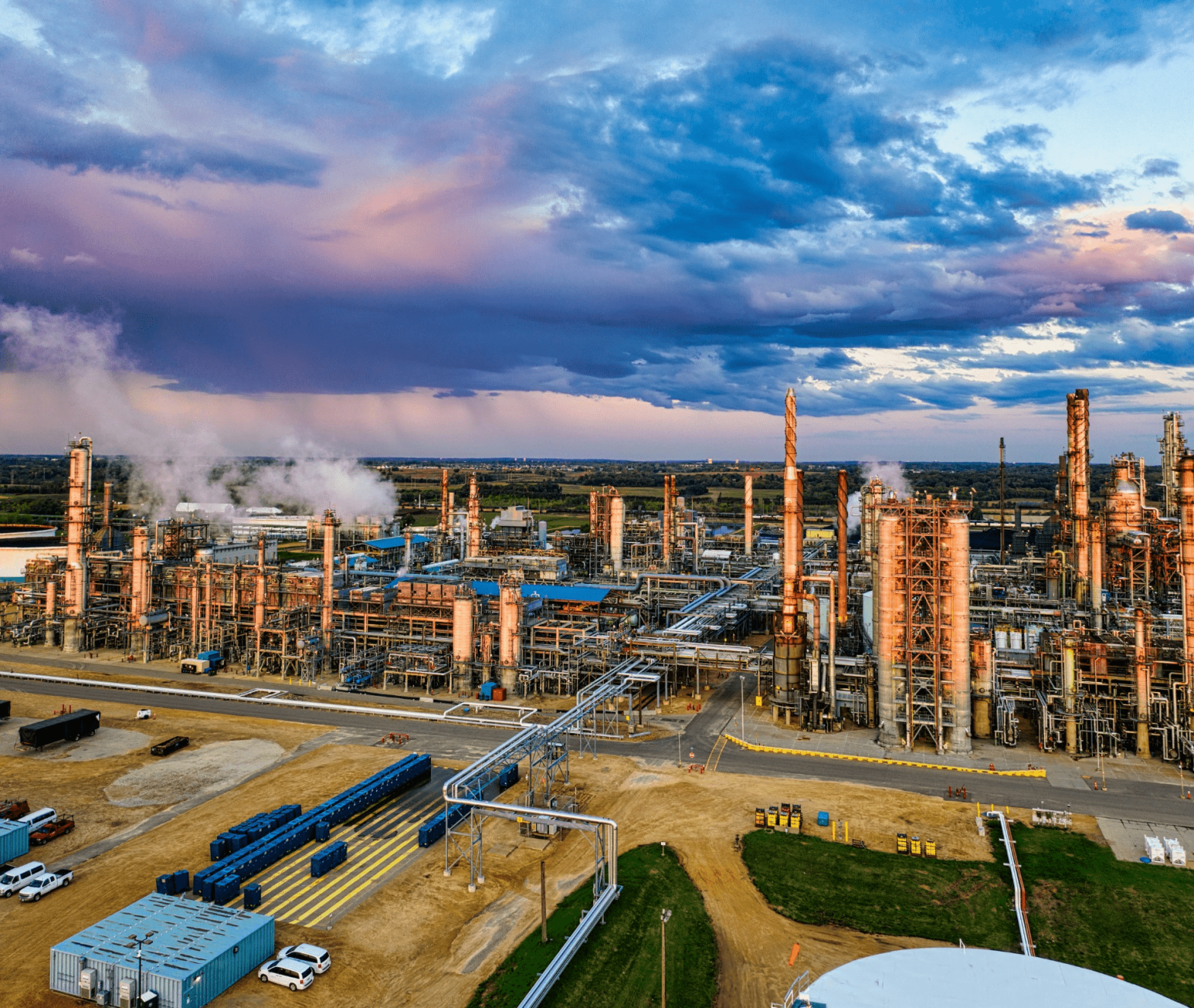
Benzene comes from both natural processes and human industrial activities. However, the vast majority of the benzene used by society today is commercially extracted and synthesized from petroleum (crude oil).
Where can I get some?
Because raw benzene is a highly flammable, volatile, and known human carcinogen, you cannot legally purchase pure benzene as an ordinary consumer. The U.S. Consumer Product Safety Commission (CPSC) banned benzene as an intentional ingredient in household products back in 1978.
Only If you operate a verified laboratory, university research facility, or industrial manufacturing plant, pure liquid benzene can be ordered through specialized chemical suppliers.